
Table of Contents
Determining Pack Capacity and Trip Length
Selecting the right hiking backpack requires matching interior volume to the actual duration of the trek and the gear needed for backcountry survival. Day hikers carrying only emergency rainwear, trail food, and water filtration can easily rely on compact daypacks ranging between 20 and 35 liters. These smaller setups eliminate unnecessary bulk, helping hikers move swiftly over steep elevation gains without shifting weight across their shoulders.
Multi-day wilderness routes demand far greater carrying capacity to accommodate sleeping bags, freestanding tents, cooksets, and multi-day food rations. A three-day backcountry trip typically requires a 50 to 65-liter pack equipped with external compression straps to lock down bulky sleeping pads. Extended expeditions lasting five days or longer often demand 65 to 75-liter technical packs, where robust load lifters and reinforced hip belts transfer the majority of heavy weight directly onto the pelvic structure.
Need an expedition-ready trail companion?
Browse our collection of lightweight technical daypacks and heavy-duty framed trekking packs built with high-tenacity ripstop fabrics.
Capacity and Volume Comparison Matrix
| Trek Duration | Recommended Volume | Optimal Gear Loadout |
|---|---|---|
| Day Hikes (Half to Full Day) | 18 – 30 Liters | Water reservoir, packed lunch, warm mid-layer, compact first aid kit, headlamp |
| Weekend Trips (1 – 2 Nights) | 35 – 50 Liters | Ultra-compact tent, sleeping bag rated for season, mini camp stove, food container |
| Multi-Day Treks (3 – 5 Nights) | 50 – 65 Liters | Full sleep system, extra technical layers, multi-day rations, bear canister |
| Extended Expeditions (5+ Nights) | 65 – 80 Liters | Winter mountaineering layers, heavy mountaineering hardware, auxiliary fuel supplies |
Torso Sizing, Internal Frames, and Suspension Adjustment
Pack sizing depends directly on torso length rather than standing body height. A tall hiker can easily have a relatively short torso, whereas a shorter person may require a medium or long back panel. To measure your torso accurately, tilt your head forward to locate the prominent C7 vertebra at the base of your neck. Measure downward along the curve of your spine to the horizontal line connecting the tops of your iliac crests on your hip bones.
Internal frame designs rely on lightweight aluminum stays and perimeter wire hoops to maintain structural rigidity under load. When cinching the harness, tighten the padded hip belt first so the padded wings sit squarely over the pelvic crests. Roughly 75% to 80% of total pack weight should rest securely on your hips, leaving the padded shoulder straps to stabilize the load against your upper back without crushing your clavicle.
An ill-fitting backpack causes severe fatigue within five miles. When the suspension aligns precisely with your pelvic bone, even a 35-pound trail payload feels like an organic extension of your spine.
— Michael Smith, Outdoor Equipment Specialist
Key Suspension and Ergonomic Features to Inspect
- Adjustable torso harness sliders that allow micro-adjustments for varied shoulder blade heights.
- Load-lifter webbing straps set at a 45-degree angle to pull pack mass directly into the thoracic center of gravity.
- Breathable tensioned mesh back panels that provide a ventilation gap between your back and the main compartment.
Frequently Asked Trail Questions
Most outdoor manufacturers consider torso measurements under 18 inches as small, 18 to 20 inches as medium, and 20 inches or longer as large. Always measure from your C7 cervical vertebra along the natural contour of your spine to the horizontal level of your hip shelf rather than using total height.
Reader Discussions & Comments
Share your feedback and thoughts on this guide.
Leave a Comment
Related Trail & Bag Insights
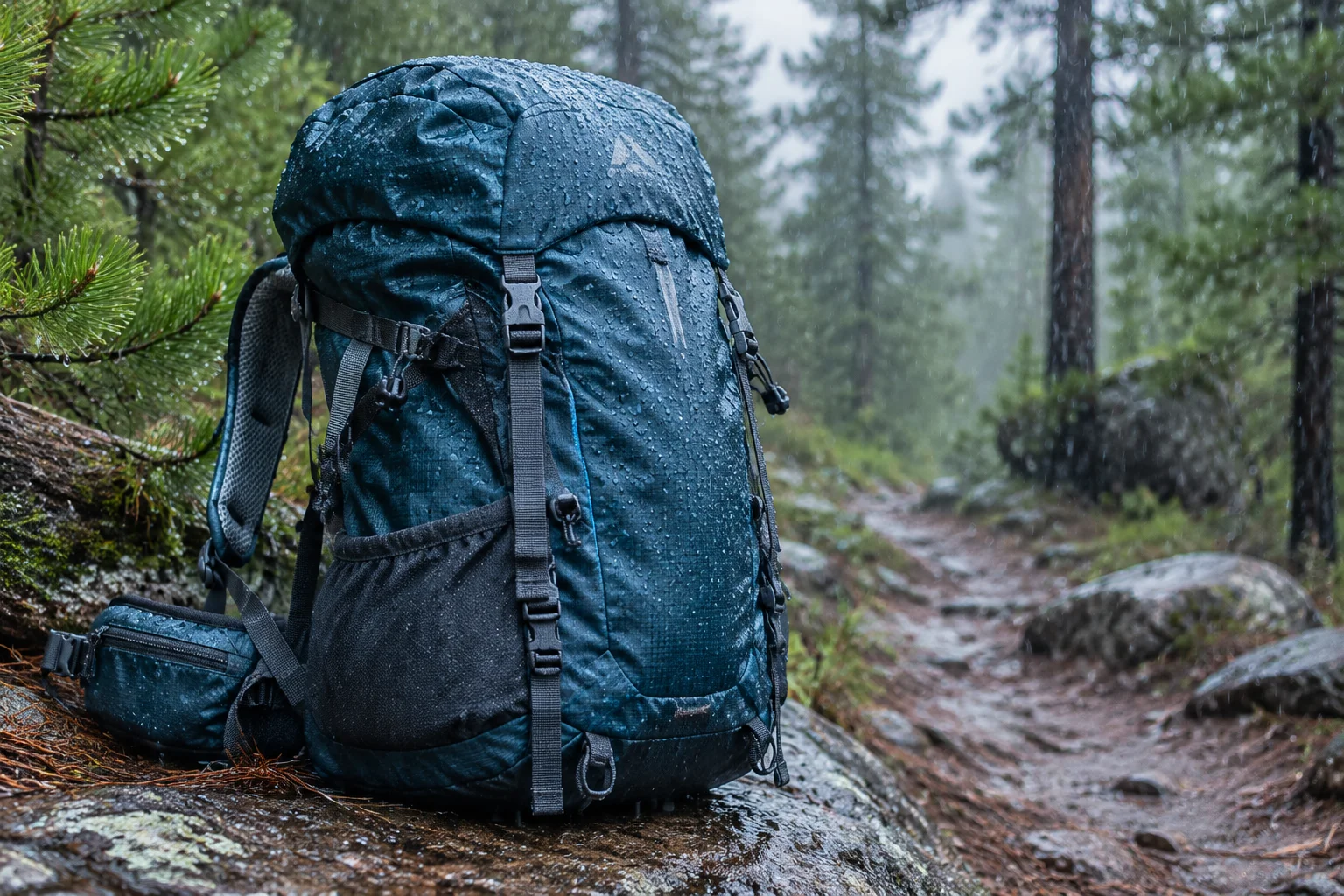
Waterproof vs Water-Resistant Bags
Understand the crucial differences between hydro-coated textiles, sealed taped seams, and fully submersible roll-top dry packs.
Read Full Article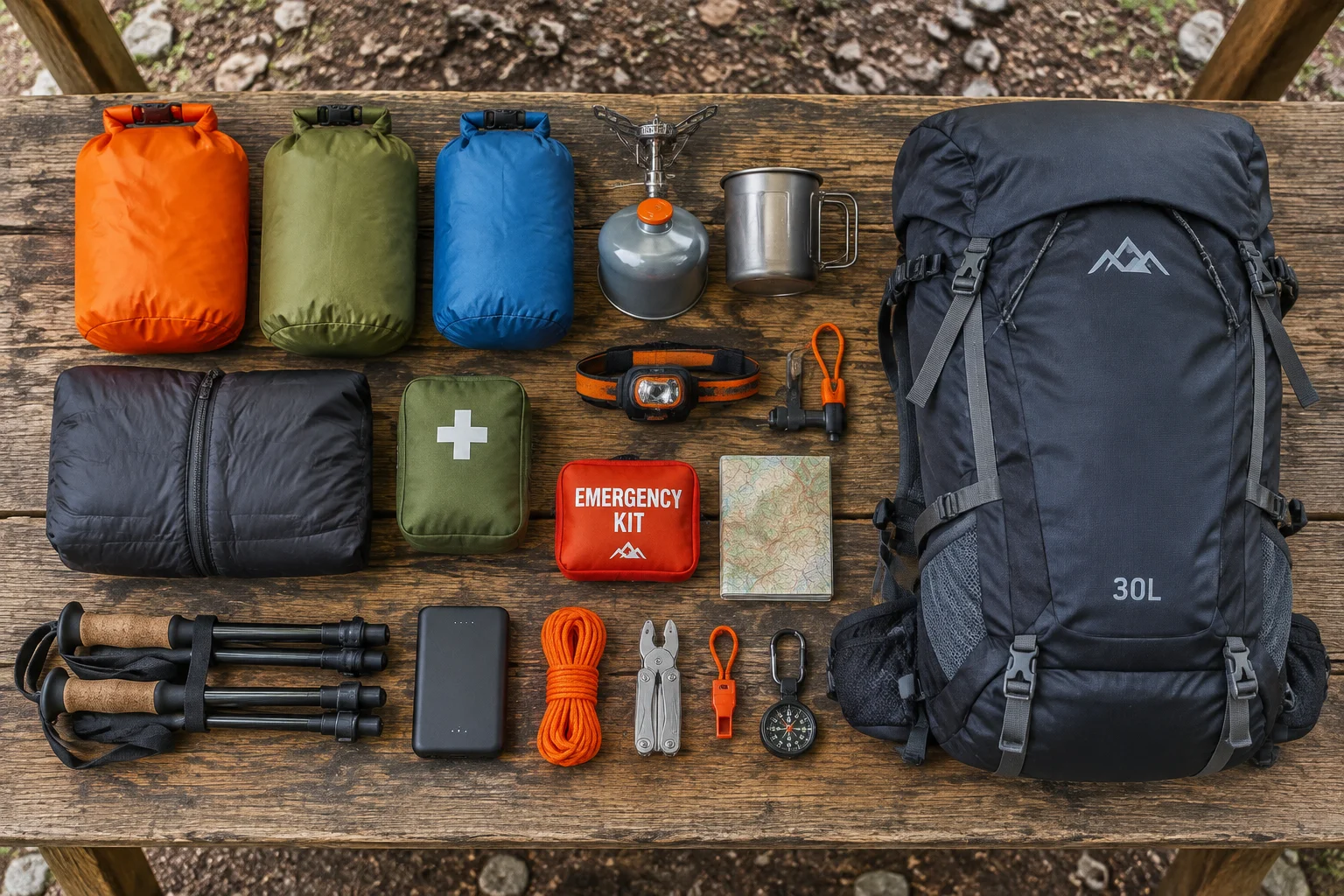
Minimalist Packing for Weekend Trips
Master the art of packing compact bags with modular compression cubes, multi-use garments, and essentials for fast traveling.
Read Full Article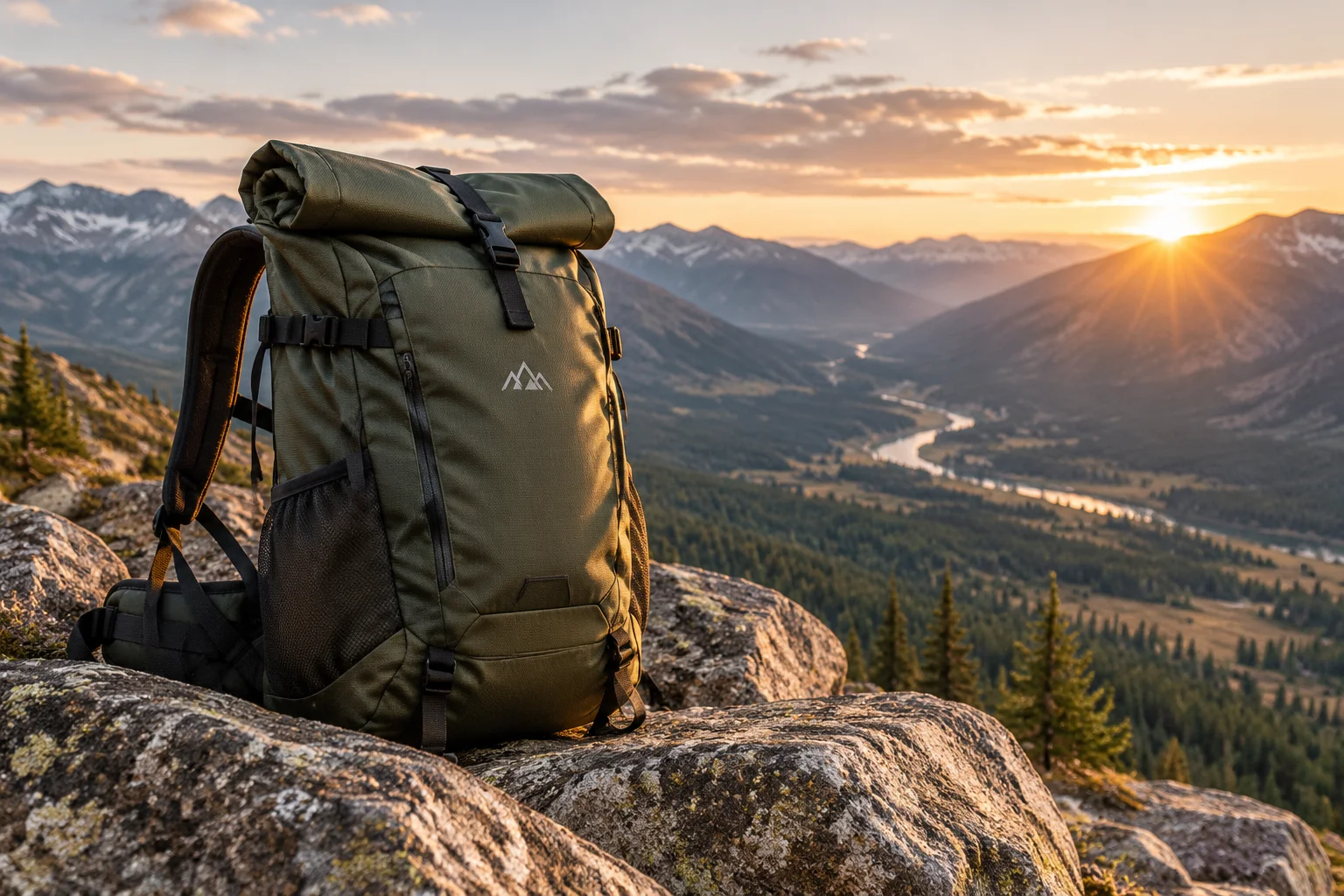
Why Roll-Top Backpacks Are Trending
Explore how functional cycling and mountaineering roll closures transitioned into everyday urban packs with expandable utility.
Read Full Article
Sarah
Verified ReaderGreat guide, helped me choose my new pack!
David
Verified ReaderVery informative article.
Emma
Verified ReaderI always struggled with sizing, this is perfect.