
Table of Contents
Understanding Water Protection in Modern Bags
Outdoor enthusiasts and daily commuters regularly encounter confusing product descriptions where words like weatherproof, water-repellent, water-resistant, and 100% waterproof get used interchangeably. In reality, these terms denote fundamentally different levels of protection. Water resistance indicates that a fabric deflects light moisture or brief drizzles through external chemical coatings (DWR) or tight weave structures, but prolonged moisture exposure or hydraulic pressure eventually pushes water through seams, stitch holes, and zipper coils.
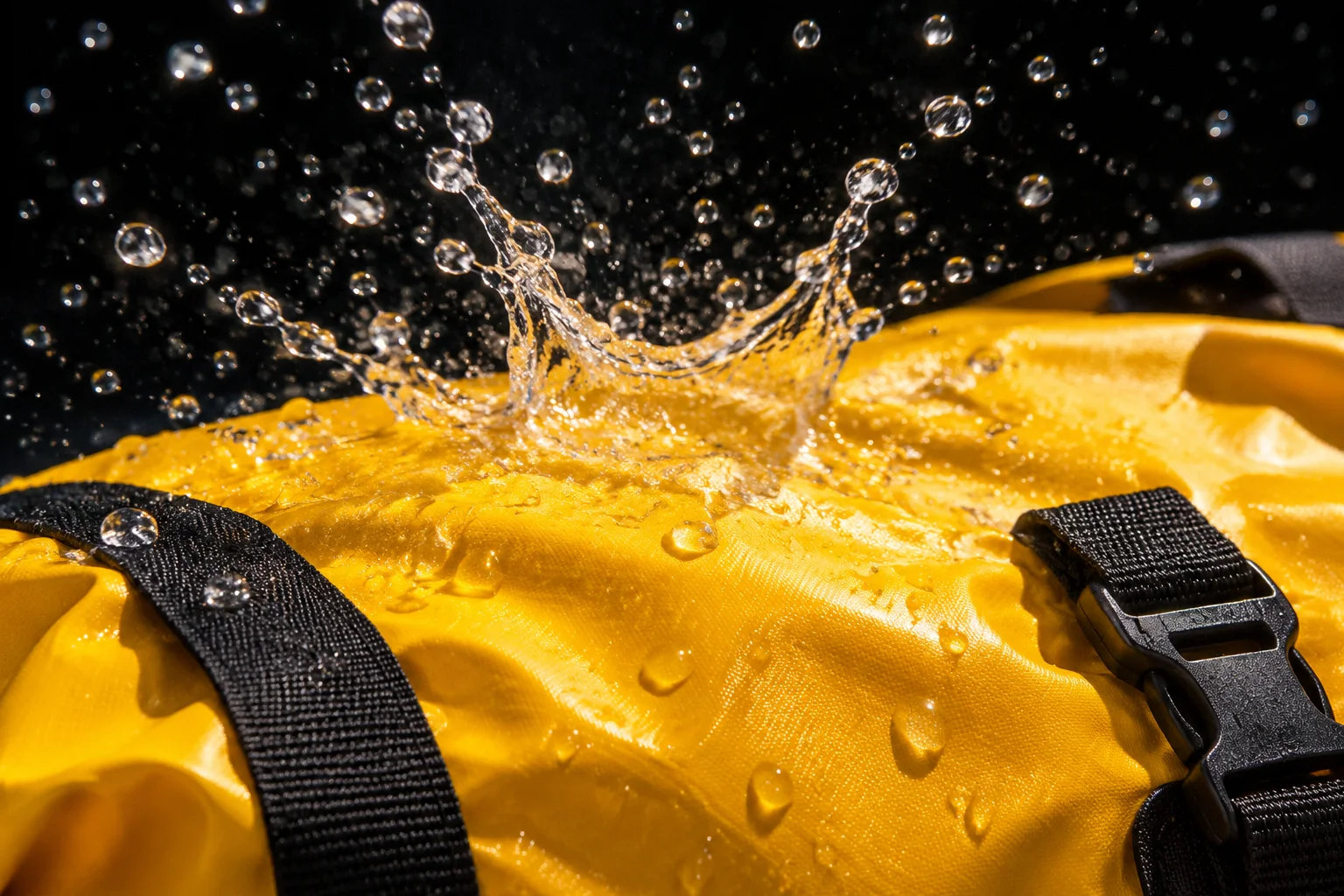
Waterproof construction, by contrast, establishes a hermetic barrier that halts water ingress under continuous downpours or even full aquatic immersion. True waterproof bags rely on impervious membranes like TPU or PVC tarpaulin paired with welded or taped seams and airtight closures. Understanding this boundary ensures your valuable electronics, documents, and apparel remain completely dry under severe environmental conditions instead of suffering preventable water damage.
Looking for Weatherproof Packs for Your Next Trip?
Explore our curated catalog of durable commuter daypacks, roll-top carriers, and submersible duffels designed for active everyday carry.
Direct Comparison: Protection Metrics & Real-World Scenarios
| Evaluation Metric | Water-Resistant Bags | 100% Waterproof Bags |
|---|---|---|
| Hydrostatic Head Rating | 1,000 mm – 5,000 mm pressure resistance | 10,000 mm – 30,000+ mm fully impermeable |
| Seam Technology | Traditional stitching with water-repellent thread | Radio-frequency (RF) welded or thermo-taped |
| Zipper Construction | Reverse-coil zippers with polyurethane storm flaps | Airtight submersible zippers or multi-fold roll-tops |
| Immersion Tolerance | 0 minutes (water penetrates through needle holes) | Continuous submersion (IPX7 to IPX8 certified) |
Key Engineering Details: Why Stitches and Zippers Leak
Even if an exterior fabric boasts a waterproof laminate, needle penetration from standard sewing punches thousands of microscopic tunnels into the perimeter. Under heavy rain, surface tension breaks down and capillary action draws moisture directly into interior compartments. Water-resistant bags mitigate this with storm flaps and water-repellent coatings, which work admirably for 20-minute urban commutes. However, sustained exposure during multi-hour treks or stormy cycling trips requires welded seams where high-frequency acoustic vibrations fuse synthetic layers into a unified, puncture-free barrier.
Zipper hardware represents the second most vulnerable failure point. Standard zippers feature intertwined plastic teeth that inherently allow water through between coils. High-grade water-resistant bags utilize reverse-coil tracks shielded by polyurethane laminates, commonly called aqua-guard zippers. While these repel wind-blown showers, genuine waterproof dry bags eliminate zipper channels entirely in favor of roll-top closures with buckle tensioning or utilize airtight hydrostatic zippers originally designed for diving drysuits.
Choosing between water-resistant and waterproof is not about which bag is better, but whether your gear needs to survive a wet commute or an accidental river tumble.
— Daniel Wilson, Senior Gear Designer
Critical Factors to Inspect Before Buying
- Verified Ingress Protection: Look for IPX4 for rain-safe urban commuting, IPX6 for heavy storm swells, or IPX7/IPX8 for full submersion protection.
- Fabric Composition: Heavy-duty 500D to 840D TPU-laminated nylon provides superior abrasion resistance compared to lightweight standard nylon with temporary spray-on coatings.
- Hardware Integrity: Opt for welded hypalon anchor points, rust-proof Delrin buckles, and padded ergonomic harness systems that maintain comfort when carrying heavy wet loads.
Everything You Need to Know About Weatherproofing
Topical DWR (Durable Water Repellent) sprays enhance the surface water-beading capability of woven nylon or canvas, but they cannot seal needle holes, stitch seams, or zipper teeth. A treated bag will resist light precipitation longer, but it will never offer genuine submersion or stormproof reliability.
Reader Discussions & Comments
Share your feedback and thoughts on this guide.
Leave a Comment
Related Articles & Gear Guides

How to Choose the Perfect Hiking Backpack
Master pack capacity, torso sizing, and suspension systems to ensure optimal trail comfort on any mountain expedition.
Read Full Article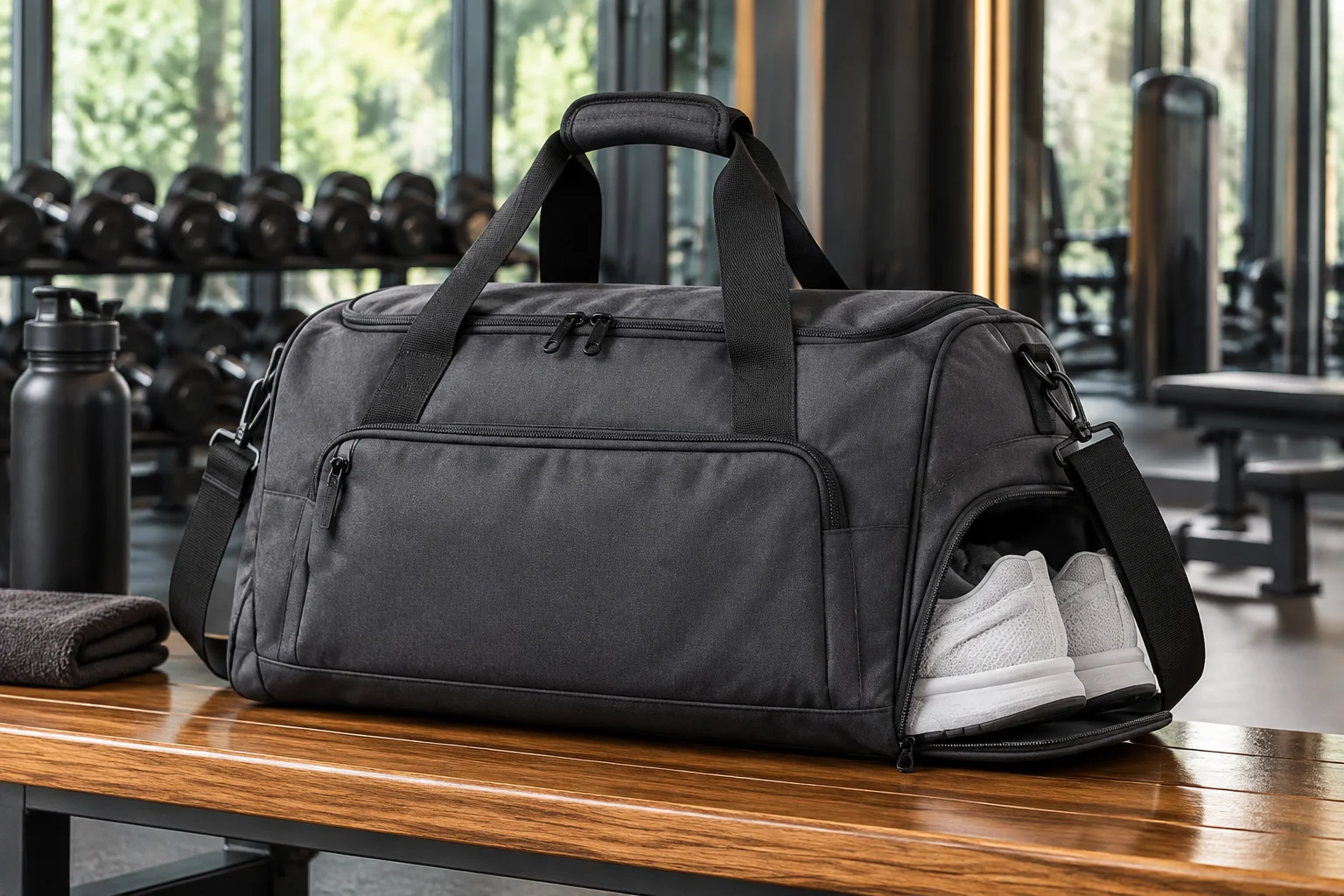
Top 5 Gym Bags for 2026
Discover durable workout bags with dedicated shoe compartments, odor ventilation, and moisture-wicking fabrics.
Read Full Article
Caring for Your Canvas Tote Bag
Practical tips to wash, spot-clean, and re-wax heavy canvas totes without degrading fibers or fading color.
Read Full Article
Brian
Verified ReaderThe difference is huge, good explanation.
Megan
Verified ReaderI ruined my laptop once because I didn't know this.