Table of Contents
Origins: From Alpine Haulers to Campus Commuters
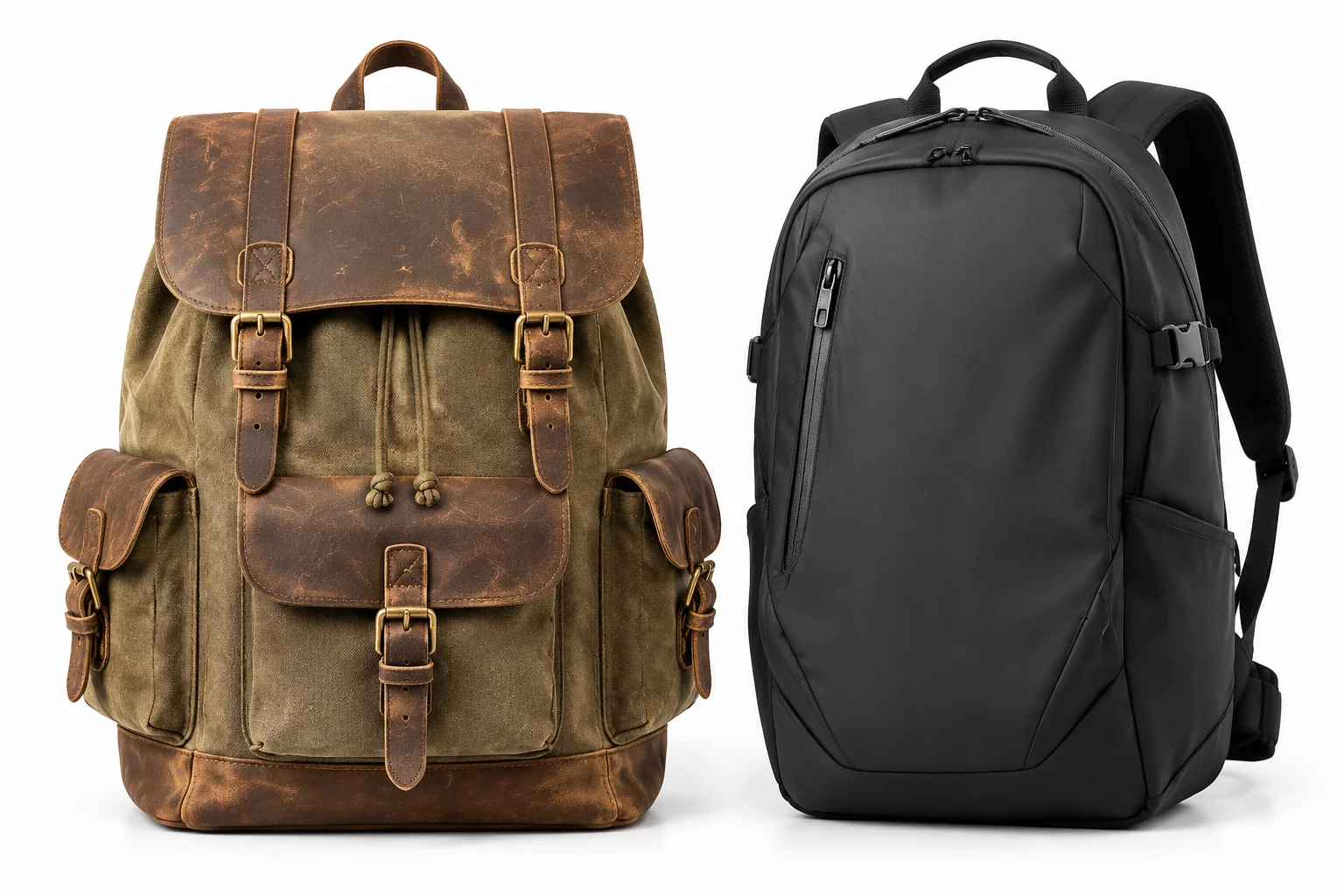
The contemporary daypack seems so fundamental to everyday life that few commuters pause to consider its origins. Before the mid-1960s, carrying personal items on your back meant relying on heavy military surplus rucksacks or external wooden and tubular steel pack frames built strictly for backwoods expeditions. Urban professionals carried rigid leather briefcases, while university students tied heavy textbooks together with leather utility straps or carried them tucked uncomfortably under one arm.
The turning point arrived when visionary mountaineering designers realized that shorter day excursions required an entirely different form factor. By swapping cumbersome external bracing for frameless teardrop silhouettes and substituting heavy waxed cotton for featherlight technical nylon, designers invented a compact hauler centered squarely between the shoulder blades. This alpine breakthrough quickly crossed over to university campuses in the 1970s, igniting an ergonomic revolution that ultimately transformed how modern commuters carry mobile technology and daily gear.
Discover Our Engineered Commuter Daypacks
Built with weatherproof ripstop textiles, contoured back channels, and padded floating laptop cradles.
Four Eras of Daypack Engineering
| Design Era & Framework | Primary Textile & Weight | Pivotal Functional Milestone |
|---|---|---|
| 1950s Alpine Hauler | 18oz Waxed Cotton Canvas (~1,450g) | External wooden or steel braces with leather cinch closures. |
| 1970s Nylon Pioneer | 500D Oxford Nylon (~620g) | Teardrop silhouette, coil zippers, and dual padded shoulder straps. |
| 1990s Digital Commuter | 1000D Ballistic Cordura (~980g) | Dedicated laptop sleeves, molded lumbar mesh, and internal organizers. |
| 2020s Ultralight Modular | Recycled 420D Robic Ripstop (~680g) | YKK AquaGuard seams, floating impact cradles, and airflow backplanes. |
Modern Ergonomics, Textiles, and Modular Architecture
The defining characteristic of twenty-first-century daypack design is the deliberate balance between structural biomechanics and ultralight weather defense. Early rucksacks concentrated the entire payload low on the lumbar spine, causing perpetual backward torque that strained the carrier's neck and shoulders. Today, computational load modeling allows engineers to position heavier equipment directly against the thoracic spine, securing the pack's center of gravity close to the natural center of mass.
Textile innovations have matched these ergonomic strides step for step. Contemporary daypacks use high-tenacity recycled nylon yarns reinforced with high-density ripstop grids and environmentally stable thermoplastic polyurethane backings. These materials resist abrasive pavement friction and severe rainfall without the greasy residue or frequent maintenance required by vintage oilskin canvas. Inside the bag, dedicated clamshell compartments ensure fragile electronics hover millimeters above the bottom seam, preventing accidental drops from damaging costly devices.
A truly exceptional daypack disappears on your shoulders. It holds your cargo securely along the spine while keeping essential everyday tools within an effortless one-handed reach.
— Sophia Martinez, Senior Industrial Bag Designer
Pivotal Milestones in Contemporary Construction
- Anatomically shaped S-curve shoulder straps that eliminate clavicle pressure points.
- Suspended internal tech cradles that isolate laptops from ground shocks and bottom drops.
- Thermoformed EVA foam back panels with central chimney venting that dissipates perspiration.
Daypack Evolution FAQ
A true daypack is engineered for 8 to 14 hours of standalone daily carry with capacities strictly between 16 and 26 liters. Unlike multi-day expedition packs, daypacks eliminate heavy rigid lumbar stays, prioritizing streamline profiles that navigate crowded metro cars and narrow airplane aisles effortlessly.
Reader Discussions & Comments
Share your feedback and thoughts on this guide.
Leave a Comment
Related Gear Guides & Articles

How to Choose the Perfect Hiking Backpack
Learn how to calculate torso length, select appropriate internal volume, and balance trail gear for maximum backcountry comfort.
Read Full Article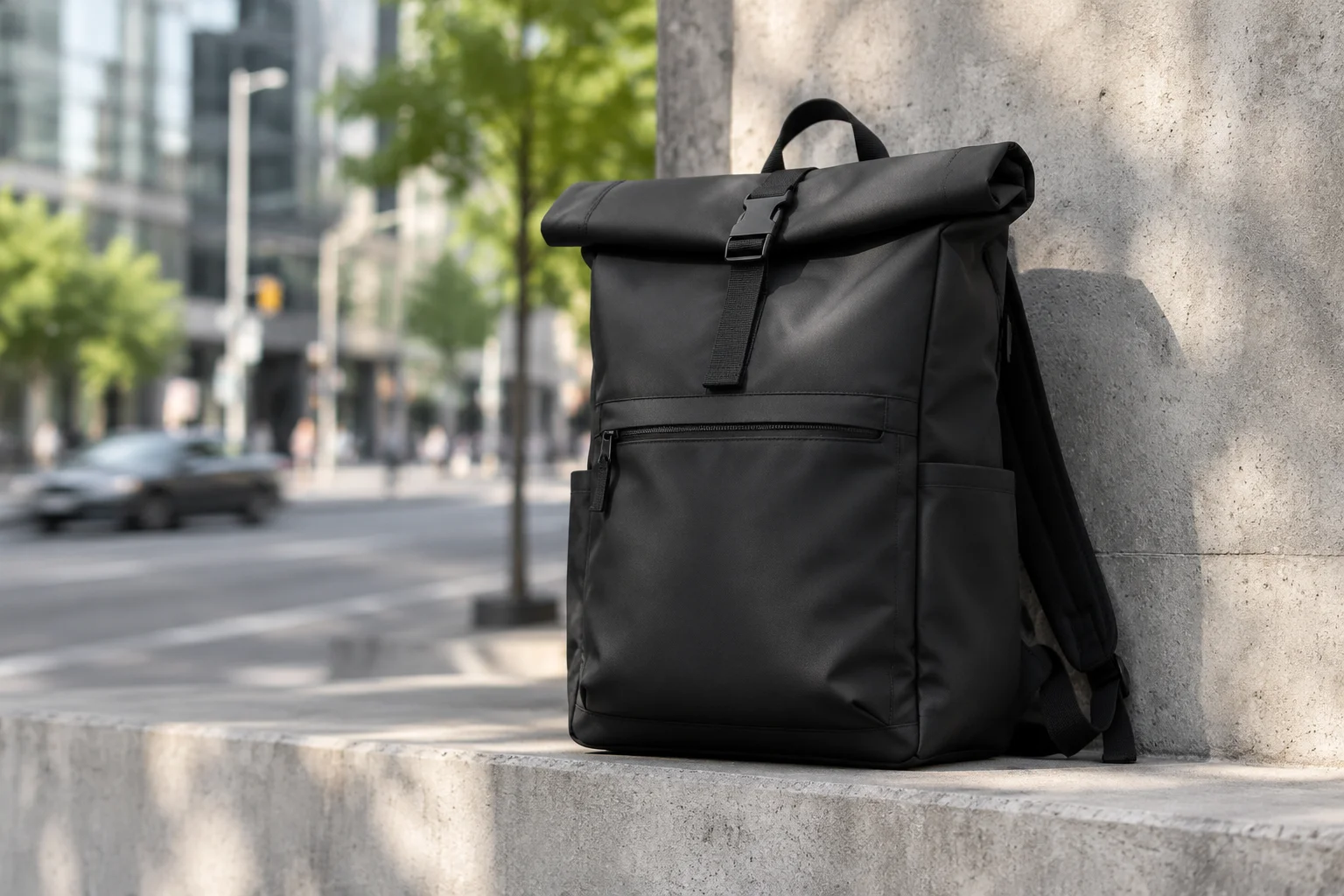
Why Roll-Top Backpacks Are Trending
Discover why urban cyclists and commuters are embracing adjustable roll-top closures for variable weather protection and flexible carry space.
Read Full Article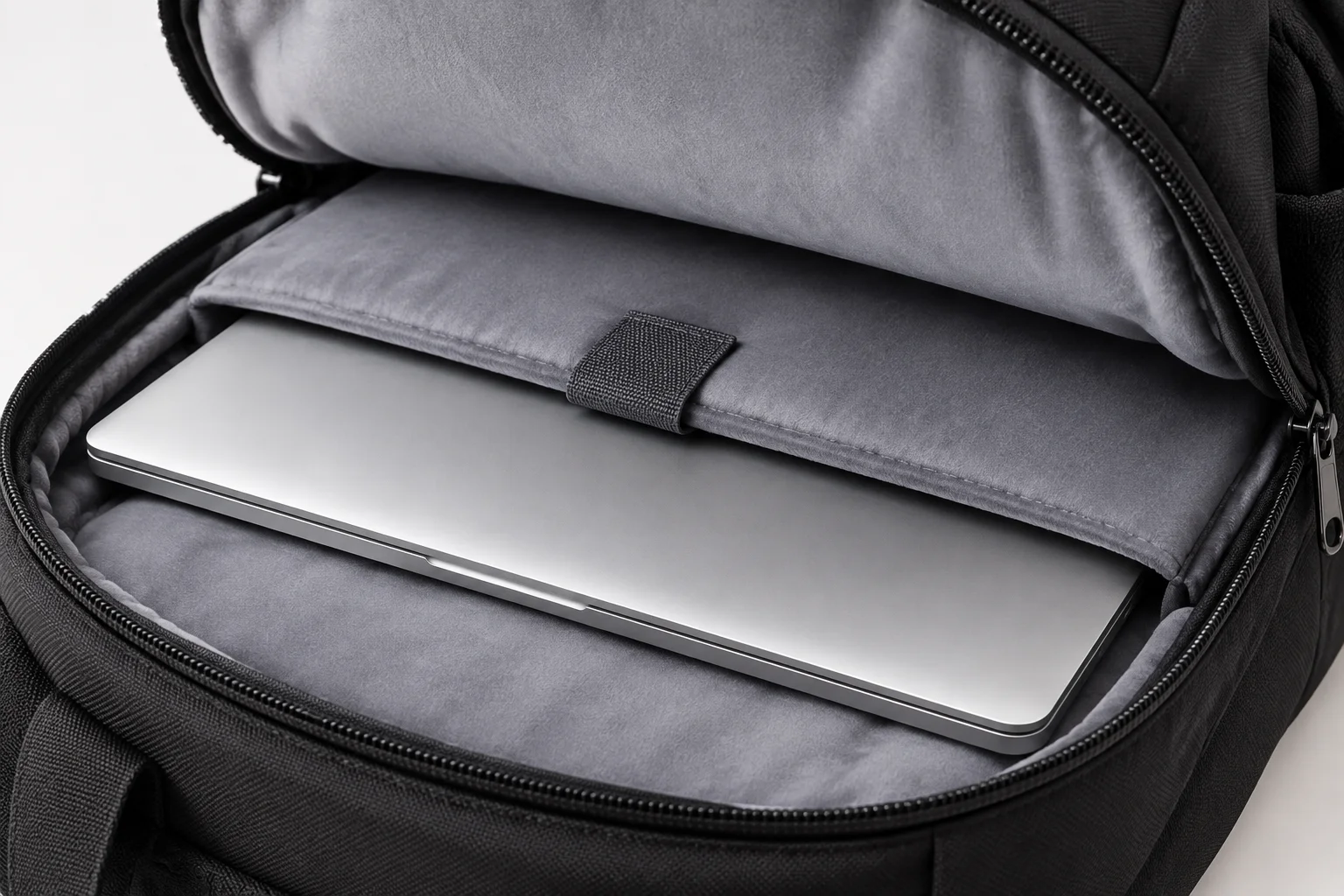
Essential Features of a Good Laptop Bag
Explore critical protective padding, anti-theft security sleeves, and ergonomic harness systems engineered specifically for mobile professionals.
Read Full Article
Oliver
Verified ReaderFascinating history. Seeing how military rucksacks transitioned into lightweight technical commuter bags really highlights how ergonomics changed daily life.